

What You’ll Notice First After a New Water Heater Goes In
If you’re comparing a before and after water heater replacement, the difference usually shows up fast—stronger hot water recovery, steadier temperatures, and fewer surprise issues.
Below is a real before-and-after example and a breakdown of what homeowners typically notice right away, what improves over the next few weeks, and how to tell when it’s time to stop repairing and start planning an upgrade.
Before & After: A Real Water Heater Upgrade
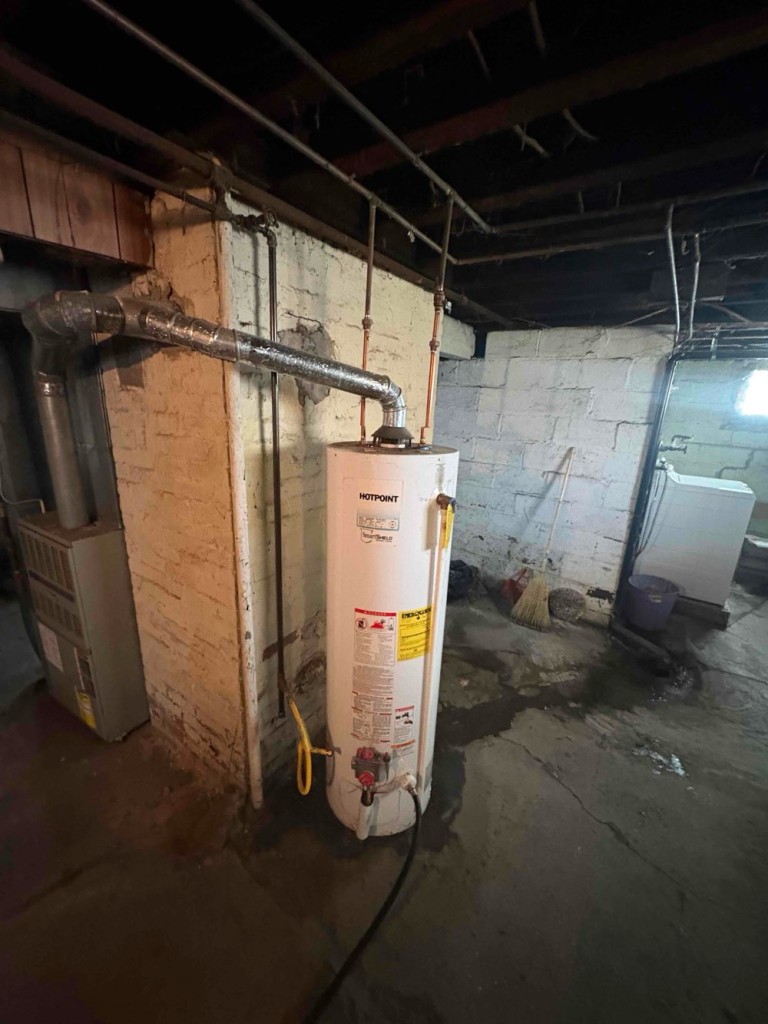
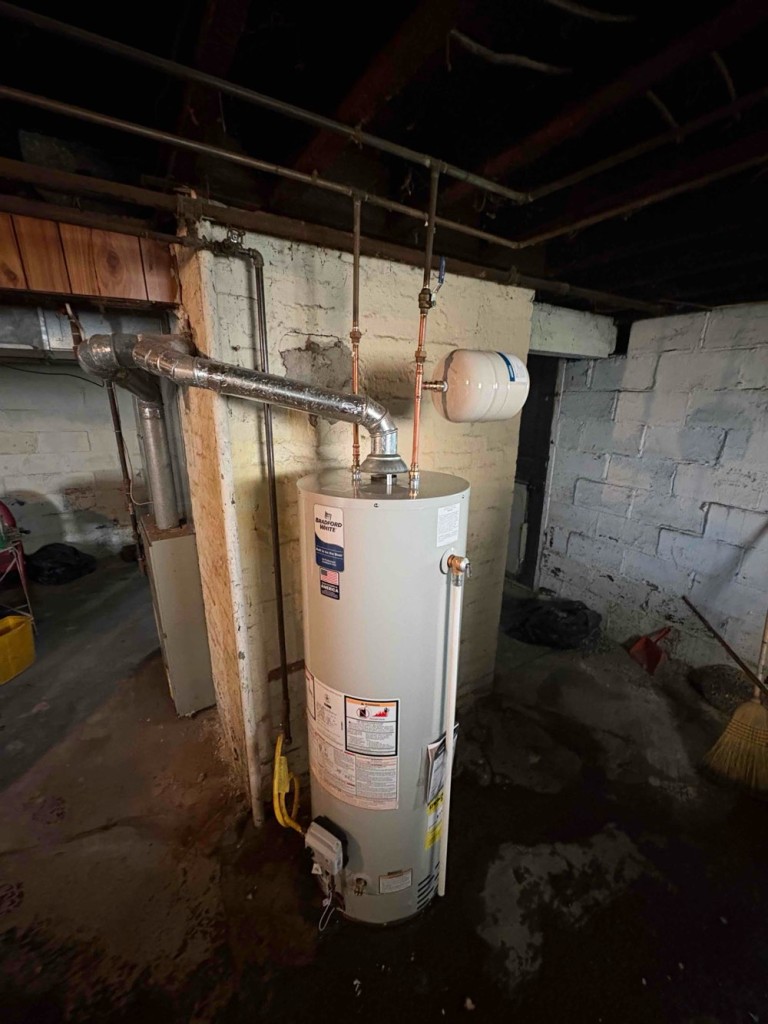
Every home is different, but a quality replacement usually improves three things at once: reliability, safety, and day-to-day hot water performance.
What Usually Improves Immediately After a Replacement
1) Hot water recovery and consistency
The most obvious change is recovery time. A worn heater often “falls behind,” especially during back-to-back showers or higher demand. A properly sized replacement restores the pace your home needs, so hot water stays consistent instead of fading out unexpectedly.
2) Less noise and fewer “surprises”
Popping, rumbling, or banging can be a sign of sediment buildup or parts that are struggling. New equipment doesn’t just run quieter—it typically runs more predictably. That’s important for households that don’t want random temperature swings or intermittent hot water.
3) Better temperature control
When a unit is near the end of its life, thermostats and internal components can lose accuracy. After replacement, most homeowners notice steadier temperature control and fewer sudden changes at the faucet.
4) Peace of mind around leakage risk
An aging tank is a risk factor—especially if there’s corrosion or ongoing seepage near the base. Even small leaks can turn into flooring damage quickly. A new install reduces that risk and gives you a clean starting point for maintenance.
What Improves Over the Next Few Weeks
Efficiency you can actually feel
Efficiency isn’t just about the bill—it’s also about how hard the system has to work. A newer unit (especially one correctly sized for your household) typically heats more efficiently, cycles more predictably, and wastes less energy trying to “catch up.”
Easier maintenance and service access
A clean install isn’t only cosmetic. A tidy, well-planned layout makes future maintenance simpler—whether that’s flushing, checking connections, or diagnosing an issue. When service access is straightforward, the system is easier to keep in good shape long-term.
Improved confidence during busy seasons
Water heaters tend to fail at the worst times—during cold weather, heavy guest weekends, or when schedules are packed. A replacement removes the “is it going to make it?” question and gives you reliable performance during higher-demand stretches.
Signs It’s Time to Replace Instead of Repair
If you’re on the fence, these are common indicators that repairs may be turning into wasted effort:
- Recurring lukewarm water even after adjustments or minor repairs
- Rusty or discolored hot water (often a corrosion warning sign)
- Rumbling or popping noises that keep returning
- Visible leakage or moisture around the base or connections
- Frequent service calls that never fully solve the problem
Sometimes the issue is a single part. Other times, the unit is simply approaching the end of its reliable lifespan. A quick evaluation can clarify whether you’re looking at a smart repair—or an upgrade that prevents bigger damage.
Tank vs. Tankless: The “Right” Answer Depends on Your Household
This post isn’t here to push one style of system. The best choice depends on your usage, available space, and goals:
- Tank systems are straightforward, reliable, and often a great fit for many homes when sized correctly.
- Tankless systems can be excellent for households that prioritize efficiency and continuous hot water—when properly selected and installed.
The most important factor is not the label on the unit—it’s correct sizing, proper venting (when applicable), safe connections, and an install that makes maintenance realistic.
Need a Water Heater Upgrade? Start With Clear Options
If your water heater is aging, underperforming, or showing warning signs, the smartest move is to evaluate it before you’re forced into an emergency replacement. A proper assessment helps you choose a setup that fits your household’s demand and avoids repeat issues.
John Shelton Plumbing has served Western Pennsylvania since 1983, and we help homeowners make practical, long-term decisions for hot water comfort and system reliability.
Water Heater Replacement — FAQs
What’s the biggest difference most homeowners notice after replacement?
Do I always need to switch to tankless to get better performance?
Is noise a sign my water heater is failing?
What should I do if I see moisture or leaking near the tank?