

Low Water Pressure in the Bathroom: 7 Likely Causes (And What to Do Next)
Low bathroom water pressure is one of those problems that can feel minor—until it disrupts your whole routine. A weak shower, slow-filling tub, or barely-there sink stream usually means something is restricting flow or the system isn’t delivering pressure consistently.
The good news? Many causes are straightforward to identify, and the right fix can restore normal performance quickly. Below are seven of the most common reasons homeowners notice low pressure in a bathroom—plus practical next steps to confirm what’s going on before you spend money on unnecessary repairs.
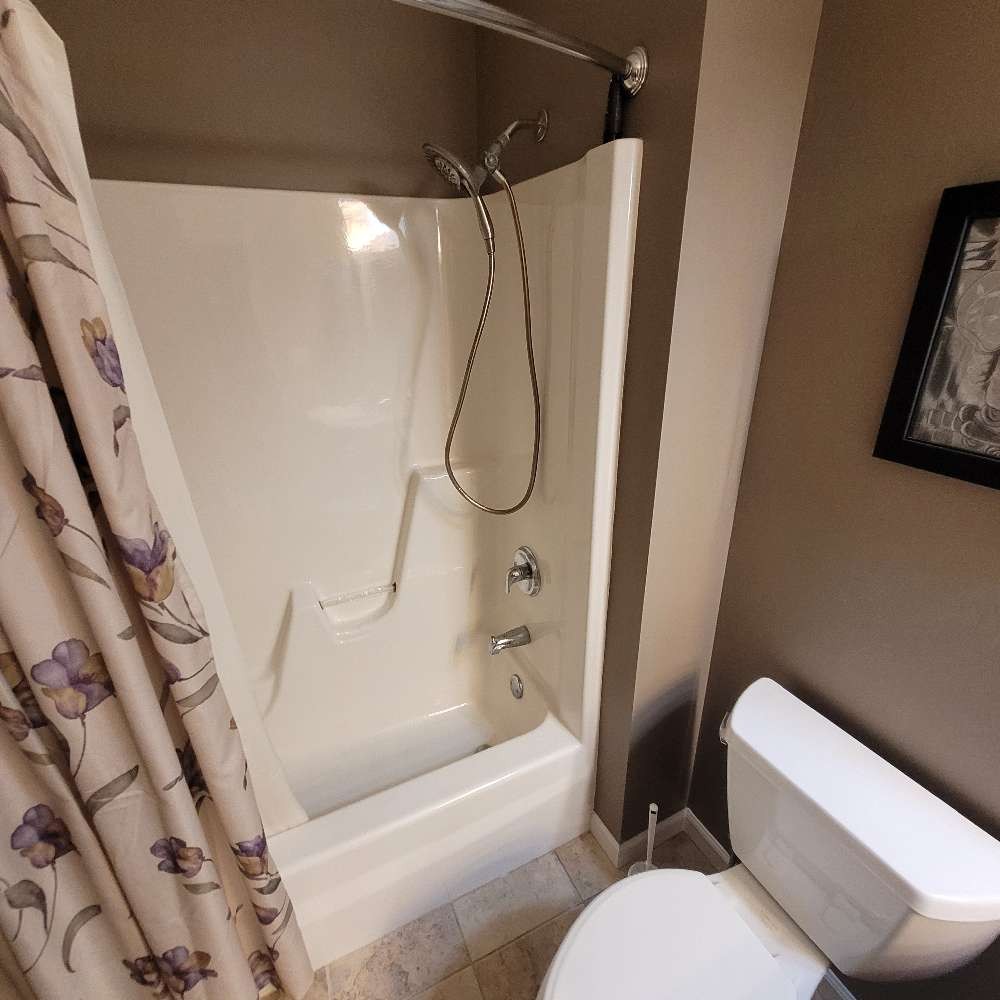
1) Clogged Faucet Aerator or Showerhead
If your sink has low pressure but other fixtures are fine, the problem is often at the very end of the line. Aerators and showerheads catch debris and mineral buildup over time. In older homes, small pieces of sediment can also collect at the screen and restrict flow.
What to do: Remove the aerator or showerhead and rinse it out. If buildup is heavy, soak it in vinegar for a few hours, then scrub lightly and reinstall. If the pressure instantly improves with the aerator removed, you’ve found the culprit.
2) Partially Closed Shutoff Valve Under the Sink or Behind the Toilet
Bathroom shutoff valves can get bumped during cleaning, storage, or a past repair. Even being slightly closed can reduce flow noticeably—especially at the sink or toilet fill valve.
What to do: Check the shutoff valve under the sink and behind the toilet. Turn it fully open (counterclockwise). If it’s stiff, corroded, or won’t open completely, it may be failing internally.
3) Cartridge or Internal Faucet Component Restriction
Modern bathroom faucets rely on cartridges or internal mixing components that can wear out or become clogged with sediment. This can create pressure loss even if your supply lines are fine.
What to do: If the pressure is weak only at one faucet and the aerator is clean, the next suspect is the cartridge. Replacement is often inexpensive, but compatibility matters—if you’re unsure, it’s worth having a plumber confirm the correct part.
4) Sediment or Mineral Buildup in Supply Lines
Over time, mineral deposits can narrow the inside of supply lines—especially in older plumbing systems or areas with harder water. This may show up gradually as lower pressure at a specific bathroom fixture.
What to do: If multiple fixtures in the same bathroom are weak (sink + shower, for example), it may be a shared restriction in the supply piping. A professional inspection helps confirm whether buildup is isolated to one line or part of a broader issue.
5) Pressure Balancing / Mixing Valve Issues (Showers)
If your shower pressure is weak but the sink is normal, the issue can be inside the shower valve—especially if it’s a pressure-balancing valve. These are designed for safety, but a worn or clogged valve can reduce flow.
What to do: If cleaning the showerhead doesn’t help, the valve may need service. A plumber can test flow, check the cartridge, and confirm whether the valve body needs repair or replacement.
6) Water Pressure Regulator or Whole-Home Pressure Changes
Sometimes the “bathroom problem” is really a whole-house pressure issue. If your kitchen sink, laundry, or outdoor spigot also feels weaker than usual, your pressure regulator may be misadjusted or failing. Municipal supply changes can also affect pressure temporarily.
What to do: Compare pressure in other areas of the home. If multiple fixtures are affected, the solution may involve system-level diagnostics rather than a single fixture repair.
7) Hidden Leak or Failing Pipe Section
A leak doesn’t always announce itself with obvious water damage. If a pipe is compromised, pressure can drop—especially when the system is under demand. In some cases, a partial obstruction or failing connection can behave like a leak by disrupting consistent flow.
What to do: Watch for warning signs: sudden pressure changes, damp spots, musty odors, or unexplained increases in water usage. If you suspect a leak, professional troubleshooting is the safest next step.
When to Call a Plumber
If you’ve cleaned the aerators/showerhead and confirmed valves are open—but the pressure is still weak—diagnosis is the key to avoiding repeat issues. A plumber can pinpoint whether the problem is inside a fixture, in the supply line, at the shower valve, or tied to whole-home pressure regulation.
If drain performance is also part of the issue (slow sinks, gurgling, recurring clogs), it may help to combine a service call with a sewer camera inspection to rule out deeper problems and get clear answers.
Schedule Plumbing Help
If you’re dealing with low bathroom water pressure and want it solved correctly, John Shelton Plumbing can help. Call 724-335-7177 or contact us online and we’ll walk you through the next step based on what you’re seeing at the fixtures.
Low Water Pressure — FAQs
Why is my bathroom sink pressure low but the shower is fine?
Why is my shower pressure low but the bathroom sink is normal?
Can a failing pressure regulator cause low bathroom water pressure?
When should I call a plumber instead of troubleshooting myself?