

Pipe bursting is a trenchless way to replace a failing underground line without digging a long, open trench. If you’ve ever wondered what changes from “before” to “after” with trenchless replacement, this guide breaks down how the process works, when it makes sense, and what results homeowners can realistically expect.
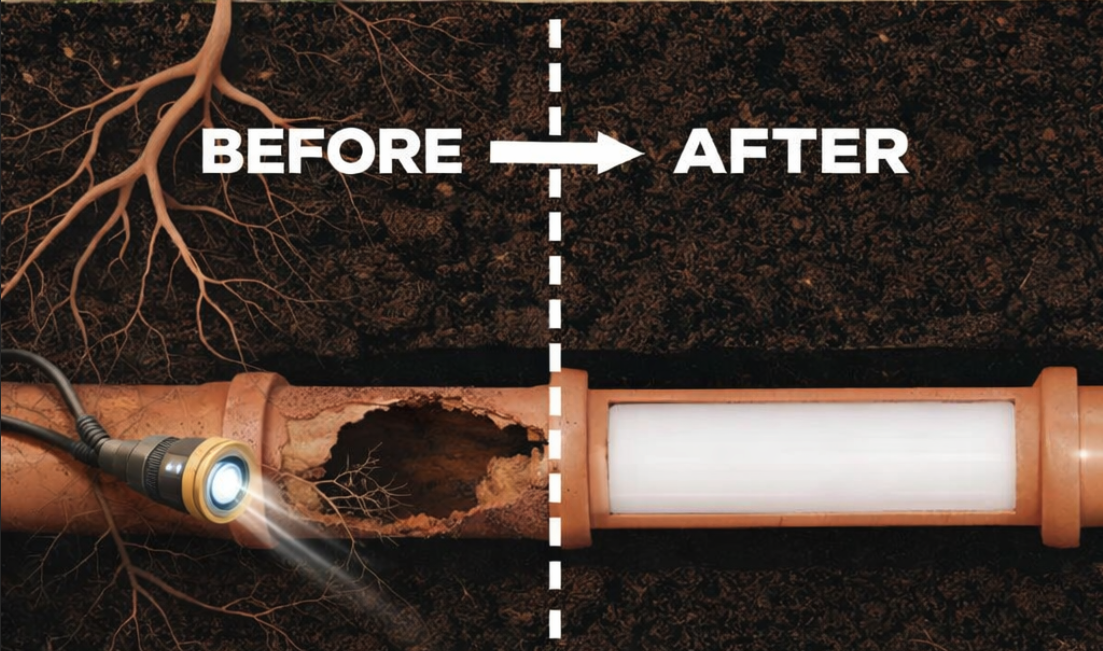
What Changes From “Before” to “After”
With traditional replacement, the “after” usually comes with major digging, patchwork repairs, and weeks of restoration work. With trenchless replacement methods, the goal is a cleaner path to a new line—often with less disruption to lawns, landscaping, and hardscape.
Homeowners typically notice improvements such as:
- More consistent flow with fewer recurring backups
- Less risk of sudden failure when the old line was cracked or collapsing
- A true replacement instead of repeated cleanings and repairs
- Less surface disruption compared to full trench excavation
When Trenchless Replacement Is a Smart Option
This approach is often best when the existing line is too damaged for small fixes, but you still want to avoid extensive excavation. It’s commonly considered when:
- The line is collapsed or has major breaks
- The pipe material is brittle or failing at multiple joints
- There are repeated backups even after professional cleaning
- The route runs beneath driveways, walkways, patios, or mature landscaping
- You want a long-term replacement instead of recurring service calls
If you’re dealing with recurring sewer issues, starting with a proper sewer camera inspection is the cleanest way to confirm what’s happening below the surface before choosing a repair path.
A Quick Note on “Replacement” vs. “Rehab”
Not every situation needs a full replacement. In some cases, the existing pipe is still structurally sound enough for rehabilitation. For example, trenchless pipe lining can restore many aging pipes from the inside when the host pipe is still a candidate.
When the pipe is too compromised—collapsed sections, severe offsets, or repeated failures—replacement may be the better long-term decision.
How the Burst Method Works (Simple Breakdown)
In plain terms, a specialized bursting head is pulled through the old pipe. As it advances, it fractures the existing line outward while pulling a new pipe behind it. The new pipe becomes the replacement line in the same general path.
Most projects follow a sequence like:
- Inspect and verify condition using imaging and diagnostics (often starting with a camera)
- Create access points to work through targeted entry locations
- Pull the bursting head through the line to break the old pipe outward
- Install the new pipe behind it as a continuous replacement run
- Reconnect and test to confirm flow and performance
What Impacts Cost for Underground Replacement
Pricing varies by property and layout. Cost is usually influenced by:
- Length of the run being replaced
- Depth and ease of access to the existing line
- Pipe diameter and whether upsizing is needed
- Surface obstacles above the line (driveways, retaining walls, utilities)
- Connection complexity (tie-ins, cleanouts, transitions)
Sometimes a project begins with cleaning to confirm flow and visibility. If buildup is heavy, hydro jetting can be part of the prep work before final decisions are made.
Warning Signs Your Line May Be Failing
If sewer issues keep returning, it may not be “just a clog.” Red flags include:
- Backups that return shortly after cleaning
- Multiple drains acting up at the same time
- Frequent root intrusion or recurring blockages
- Evidence of offsets, breaks, or collapse seen on inspection
- Persistent odor or unexplained damp areas outdoors
Depending on what’s found, solutions range from cleaning and repairs under sewer services to targeted excavation. When digging is required, it’s usually done as precisely as possible—see excavation service for examples of when it’s the right call.
Helpful Resources
If you’d like to learn more about trenchless technology from industry and public sources, these are good starting points:
- NASSCO (industry association covering trenchless rehab and replacement best practices)
- EPA: Sewer Overflow Resources (public information on sewer system issues and impacts)
Next Step: Confirm What’s Really Happening Underground
The biggest win with this type of work is that you’re not patching one weak spot—you’re restoring confidence in the full run. If you’re seeing repeat backups or suspect a failing line, start with a camera inspection so the repair plan matches real conditions.
Pipe Bursting FAQs
Does pipe bursting require a full trench?
Can this method replace an entire sewer line?
How is this different from pipe lining?
What symptoms suggest a failing underground line?