

Digging without knowing exactly where your underground sewer line runs can quickly lead to expensive mistakes. Whether you are planning a repair, solving repeated drain backups, installing a fence, or preparing for excavation, sewer line locating helps identify the exact path of the buried pipe before work begins.
This guide explains when line route mapping is needed, what kinds of plumbing problems it helps solve, and why tracing the buried pipe first can save time, money, and property damage. If you need help in the Alle-Kiski Valley, John Shelton Plumbing provides professional sewer line locating services for homeowners, property managers, and excavation planning.
What Underground Sewer Line Mapping Means
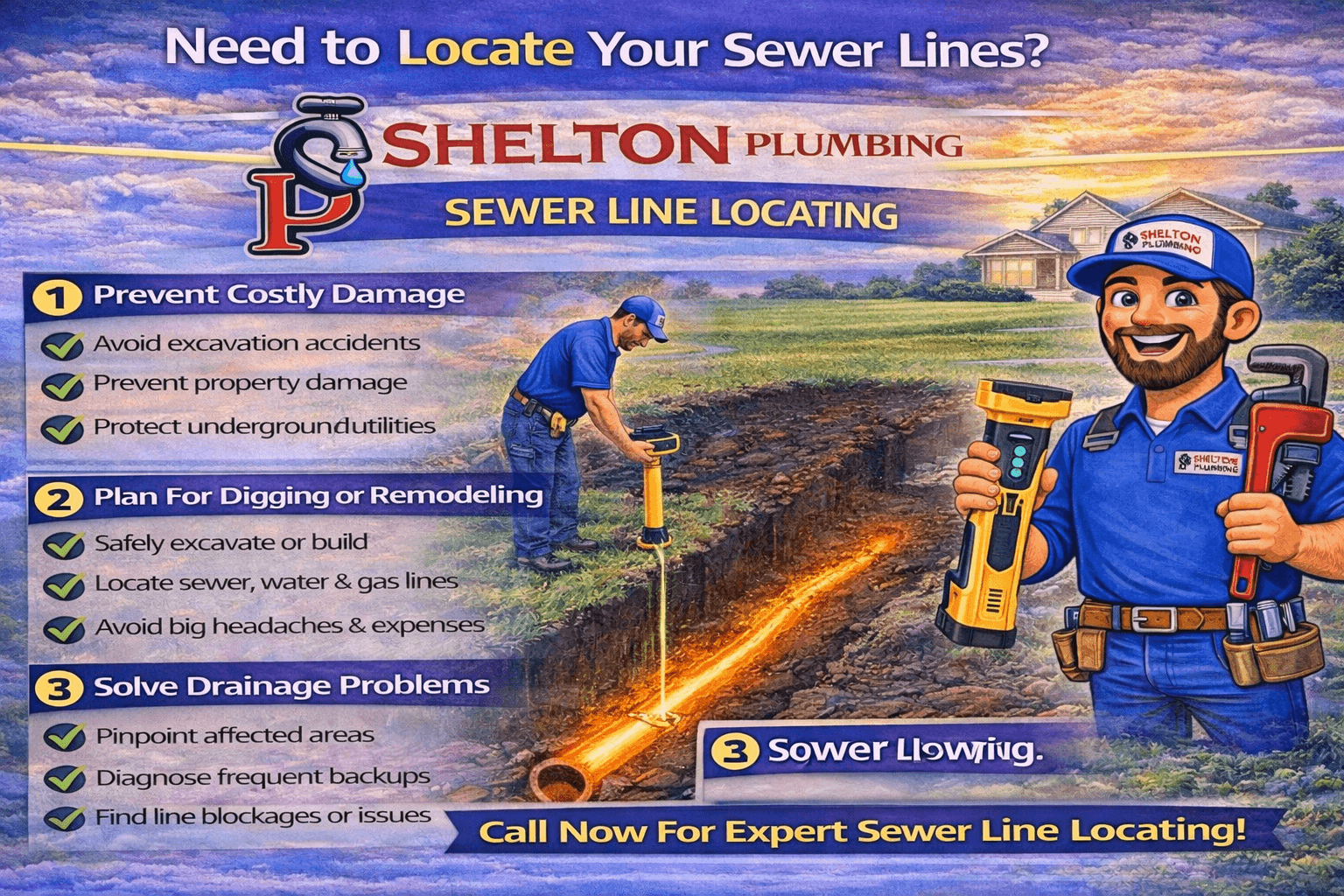
Underground line mapping is the process of tracing the exact buried path of a drain or sewer line. Specialized locating equipment helps map where the pipe runs, how deep it sits, and where bends, tie-ins, or problem sections may be located.
This process is often paired with a sewer camera inspection so the plumbing team can identify not only where the line runs, but also where a blockage, break, or offset may be happening.
When Underground Sewer Mapping Is Most Useful
Pipe route mapping becomes especially valuable when work is happening near buried utilities or when repeated plumbing symptoms point to a problem below ground.
Before Digging, Excavation, or Remodeling
Before any digging project begins, mapping the sewer route helps prevent accidental damage. This is especially important before patios, fences, additions, pools, landscaping, or plumbing excavation.
Solving Repeated Sewer Backups
If multiple drains back up or the same sewer problem keeps returning, buried line tracing helps determine where the affected section sits underground. This makes repairs more precise and helps avoid unnecessary digging.
Planning Trenchless Sewer Repair
Before a trenchless pipelining project, underground mapping helps identify the route of the pipe and the best access points for the restoration process.
Protecting Water and Gas Utilities Nearby
Knowing where the sewer line sits can also help contractors work safely around nearby water and gas lines during renovations or underground utility upgrades.
Why Homeowners Use Underground Line Mapping Before Property Projects
Many homeowners request buried sewer route mapping before installing fences, decks, pools, patios, sheds, retaining walls, or new landscaping. Knowing where the pipe runs helps prevent accidental damage during post hole digging, grading, trenching, or heavy equipment work.
This is especially useful when property records are unclear, older homes have undocumented line routes, or previous repairs changed the path of the buried pipe over time.
Why Proper Pipe Mapping Saves Time and Money
Without accurate underground mapping, digging often turns into guesswork. Guessing can lead to larger excavation zones, damaged landscaping, broken utilities, and added labor costs.
By mapping the sewer route first, repairs become more targeted. Whether the project needs excavation, sectional replacement, or trenchless restoration, knowing the pipe location makes every next step more efficient.
Line Mapping vs. Camera Inspection
A camera inspection shows the inside condition of the pipe, while underground line diagnostics map the physical path of the line below the surface. When combined, these services provide one of the clearest ways to diagnose buried sewer issues.
When to Call for Underground Line Mapping
You should ask about underground sewer mapping before any digging project, when planning major landscaping, before installing new structures, or when repeated sewer symptoms suggest a deeper buried problem.
John Shelton Plumbing provides professional underground sewer line mapping throughout Western Pennsylvania. If you need to trace a buried pipe before digging or repair work, visit our Line Locating service page to learn more.
Final Thoughts on Sewer Route Mapping
Mapping buried sewer lines is one of the smartest first steps before excavation, trenchless repairs, or remodeling near underground plumbing. Knowing exactly where the line runs helps avoid damage, improve repair accuracy, and reduce unnecessary disruption.
If you want to protect your property and make underground work safer, John Shelton Plumbing can help with experienced locating and sewer diagnostics.
Underground Line Mapping FAQs
When should underground sewer mapping be done?
Underground sewer mapping should be done before digging, excavation, fence installation, patio work, landscaping, trenchless repairs, or whenever repeated sewer backups suggest an underground issue.
Is line mapping different from a sewer camera inspection?
Yes. A sewer camera inspection shows the inside condition of the pipe, while underground line mapping shows the physical buried route.
Can line mapping help before installing a fence or patio?
Absolutely. Pipe route mapping helps prevent accidental damage before digging post holes, pouring concrete, trenching, or grading for outdoor projects.
Does underground mapping help with trenchless repair planning?
Yes. It helps identify the route, depth, and access points needed for trenchless sewer restoration.